
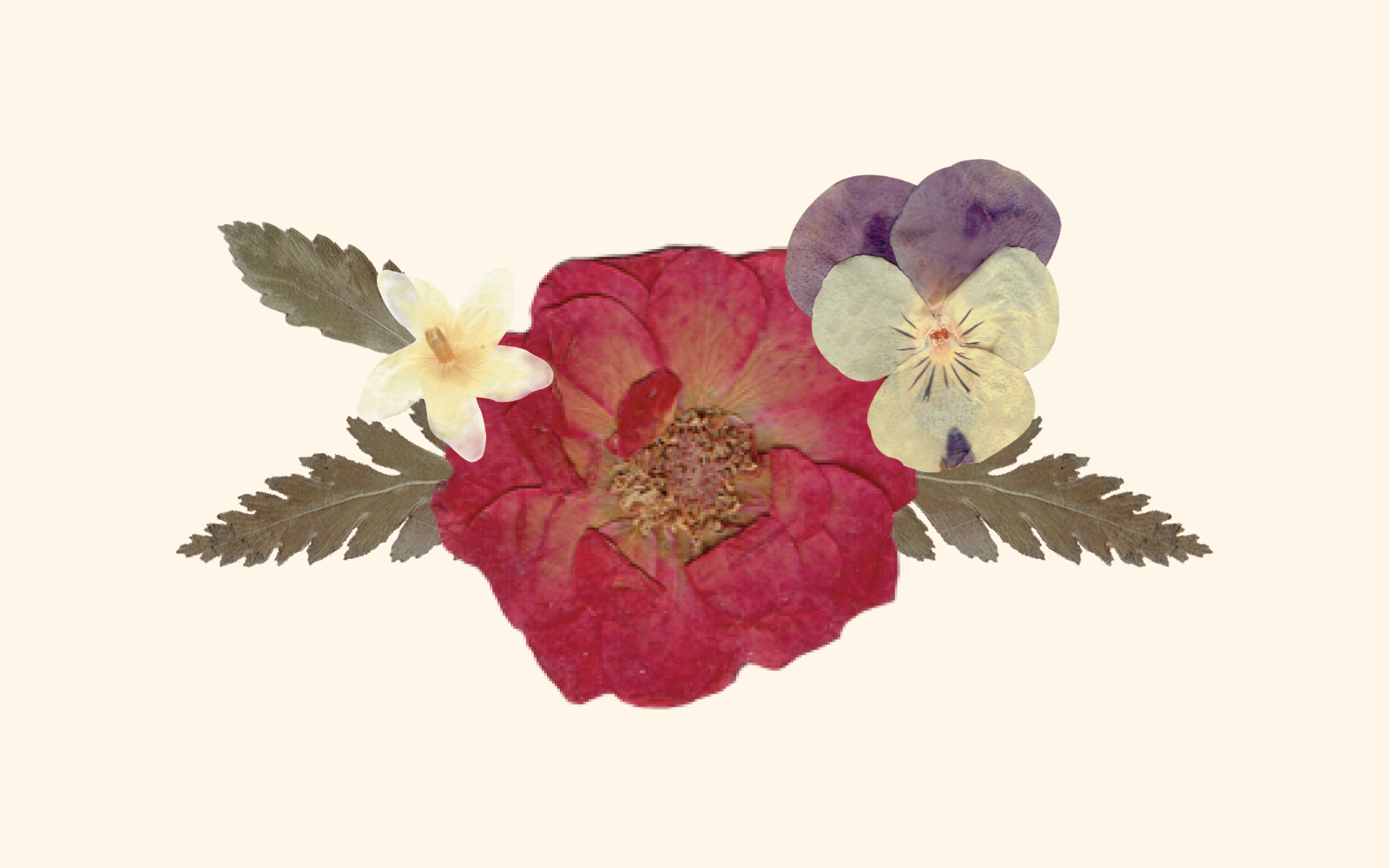
Sometimes a flower is meant to be kept.
Maybe it was given to us by someone special, gathered on a memorable afternoon, or grown in a garden we have tended all season. Sometimes it is just too beautiful to let go. Other times, it’s the memory attached to it that we want to keep.
Lately, the idea of preserving flowers seems to keep finding its way into my life. A rose someone mentions they want to save, a conversation about pressing flowers, a hydrangea slowly drying in my kitchen…
The desire to keep flowers is nothing new. For centuries, they’ve been dried for their fragrance, gathered into bouquets, carefully pressed for botanical study, and saved as keepsakes. Some find their way into books, waiting to be discovered years later.
Four Ways to Keep a Flower
There is no single way to preserve a flower. Some methods flatten blossoms into delicate botanical silhouettes, while others allow them to keep much of their original shape. Even the fading of their colors can become part of their charm.
Here are four ways to keep a flower long after it has bloomed, with a few simple steps to try each one.
Pressing Flowers
There is a particular charm to pressed flowers. A blossom becomes something quite different from the flower it once was, almost papery, and its intricate details revealed in a new way.
Small, relatively flat flowers are particularly well suited to pressing. Pansies, violets, cosmos, and individual rose petals are lovely choices.
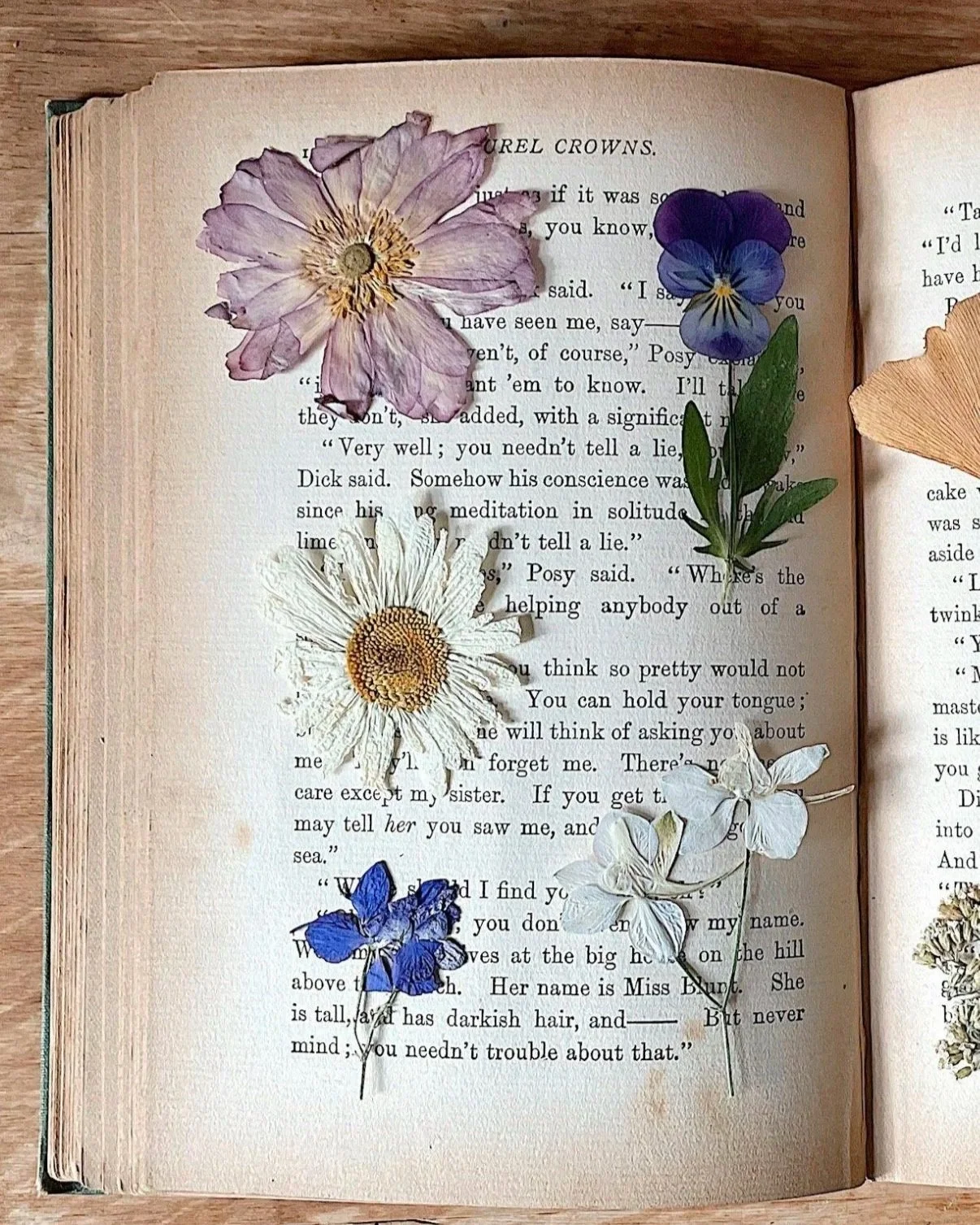
To press flowers, place them between two sheets of plain, absorbent paper, such as blotting paper or uncoated printer paper, and tuck them inside a book. Place additional weight on top if needed. Arrange the petals carefully before closing the book, as their position will become part of the finished keepsake.
Leave for approximately two to four weeks, checking occasionally and replacing damp paper as needed, until the flowers are completely dry.
Pressed flowers can be mounted on paper, framed, added to handmade cards, or simply kept between the pages of a favorite book.
Air-Drying a Bouquet
There is a particular romance to a small bouquet hanging upside down, its flowers slowly taking on the softened colors of age.
Air-drying is one of the simplest ways to preserve flowers while retaining much of their original form. Roses, lavender, strawflowers, and statice are especially good candidates.
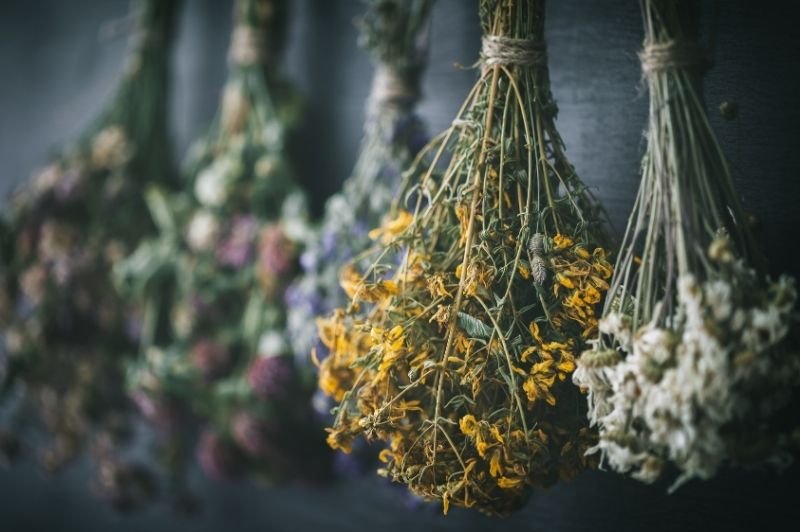
Remove excess foliage and gather the stems into a small, loosely tied bunch. Hang the bouquet upside down in a dry, dark place with good air circulation, away from direct sunlight.
Over the next two to four weeks, the flowers gradually lose their moisture. Their colors may deepen or fade, and their petals become beautifully fragile.
Once completely dry, the flowers can be arranged in a vase, gathered into a wreath, or put to other wonderful uses. Dried lavender, for example, can be assembled into sachets to scent drawers and linens, while rose petals can be saved for handmade potpourri. A beautiful way to enjoy the flowers long after their blooming days are over.
Letting Flowers Dry Naturally in a Vase
Some flowers seem almost made for growing old gracefully.
Hydrangeas are a wonderful example. As their blossoms mature, their colors shift from fresh pinks, blues and greens into muted shades of rose, parchment, and antique green. Even before they are dried, they have begun their transformation.
I have a hydrangea sitting in my kitchen that has been slowly drying in its vase. Its once cream blossoms had already begun turning shades of green and dusty pink when I gathered it. Now the petals are becoming papery, but the flower has held on to its shape and lovely muted colors. I find it every bit as beautiful in this stage as when I brought it inside.
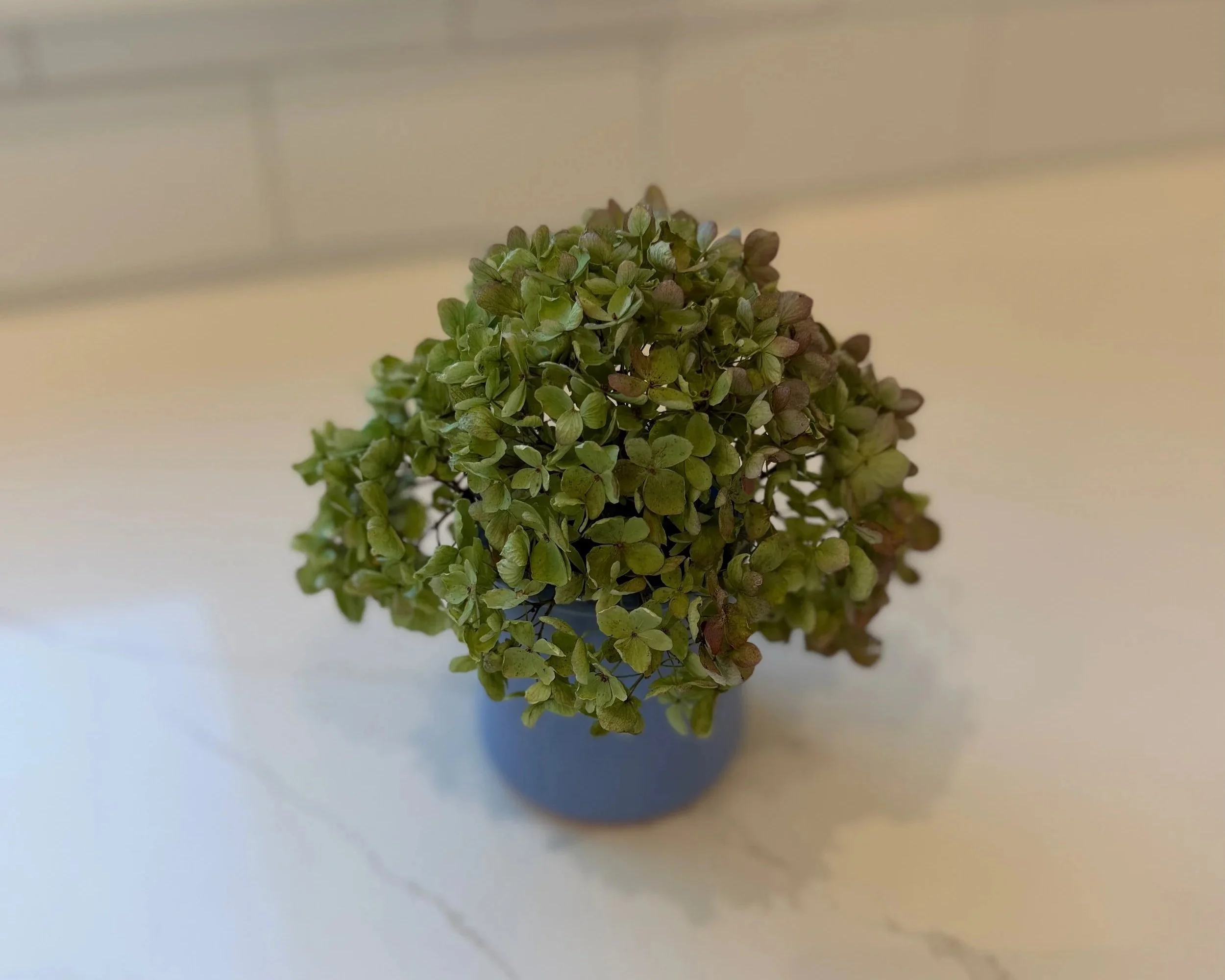
One of the easiest ways to preserve mature hydrangeas is to place their stems in a vase with a small amount of water and allow it to evaporate naturally. Keep the arrangement out of direct sunlight and let the flowers dry undisturbed.
The key is to choose blooms that have already begun to feel slightly papery on the plant. Flowers cut too early are more likely to wilt rather than dry beautifully.
Once completely dry, hydrangeas can remain in a vase for months, bringing a little of the garden indoors long after the growing season has passed.
Preserving a Flower with Silica Gel
Sometimes we want to keep more than the memory of a flower’s shape. We want to preserve something closer to the flower as it appeared when it was fresh.
Silica gel, a reusable drying material available from craft suppliers, offers a way to preserve many flowers in three dimensions, often retaining more of their original color than air-drying.
This method is particularly appealing for roses, dahlias, and other blossoms with layered petals.
Place a layer of flower-drying silica gel in an airtight container, position the flower carefully, and gently surround and cover it with more of the drying material, taking care to support the petals. Seal the container and leave it for several days, following the product’s instructions before checking carefully for dryness.
Once a flower is completely dry, lift it out gently and remove any remaining crystals with a soft brush.
It requires a little more care than the other methods, but for a flower with particular meaning, the effort may be worthwhile. It’s also a wonderful way to create three-dimensional botanical art or display flowers under glass!
Whether it’s a pressed blossom saved as a keepsake, a bouquet drying in the kitchen, or a rose carefully preserved under glass, there are so many ways to enjoy a flower’s beauty long after it has bloomed.
Not every flower needs to be kept. But sometimes they are worth holding on to, and how wonderful that we can.
A Flower Worth Keeping
A little botanical keepsake card for the flowers you’d like to remember. A place to save a pressed blossom and a few words about what makes it special.
Print on standard letter-size paper at 100% (actual size), then trim to create your 5×7 inch card. Once your flower is completely pressed and dried, arrange it on the card and secure it with a tiny dab of craft glue or small amount of acid-free archival adhesive for longer lasting preservation. Add the flower’s name, date, and a few words about its story.